
 Call Us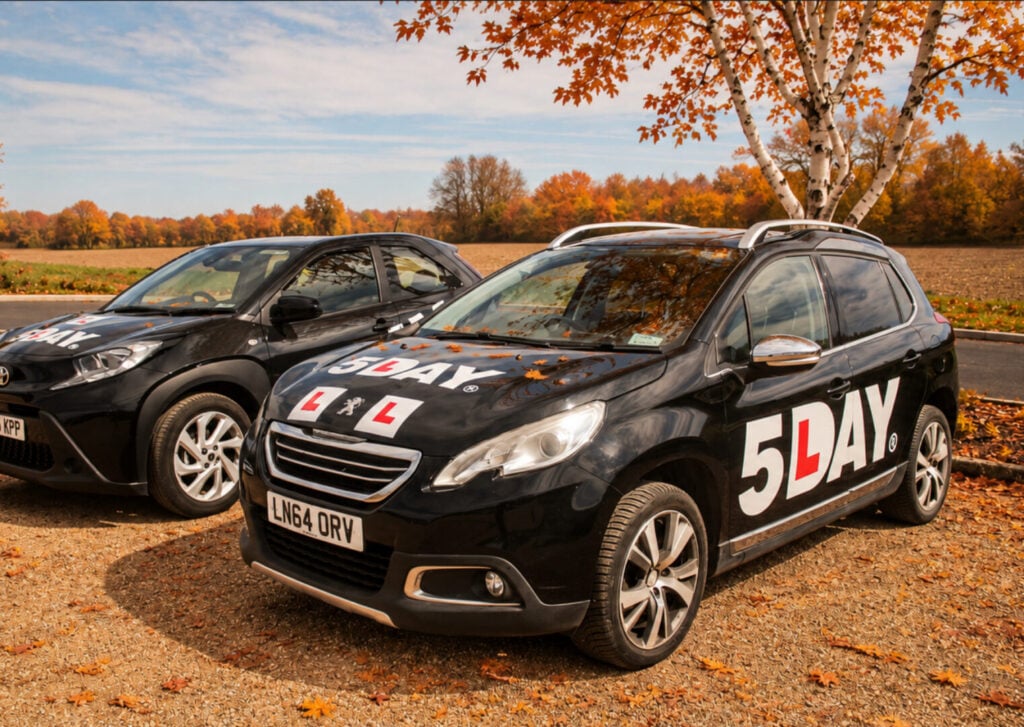
New Season, New Skills
Summer might be over, but that doesn’t mean your driving plans need to be put on hold! With the leaves changing colour, the evenings drawing in and the British weather doing what it does best (keeping us guessing!), autumn brings a whole new set of driving experiences.
And while the thought of learning to drive in the rain might not sound quite as appealing as a sunny summer afternoon, there’s actually a lot to be said for getting behind the wheel at this time of year.
In fact, autumn offers one of the widest varieties of weather conditions of any season. From sunshine and showers to wind, fog and the occasional frosty morning, learning at this time of year gives you the opportunity to experience a little bit of everything, helping you develop valuable driving skills that will come in handy all year round.
So, whether you’re just starting your driving journey or already working towards your test, we’ve put together some useful tips to help you stay safe, build your confidence and make the most of learning to drive this autumn.
Learning to Handle Seasonal Hazards
From wet leaves and heavy rain to fog, mist and low sun, learning how to recognise and respond to seasonal hazards can help you build confidence and develop safer driving habits from the very start. Here are some of the most common autumn driving conditions and how to approach them safely.
Wet Leaves
There’s nothing quite like a countryside drive surrounded by beautiful autumn colours, but while those fallen leaves might look lovely scattered across the road, they’re not always quite as innocent as they seem!
For starters, leaves can hide potholes and other hazards, making it difficult to see exactly what you’re driving over. And even if the leaves on top appear perfectly dry, those underneath could still be wet, creating a slippery surface and reducing your tyres‘ grip on the road.
So, before you go crunching through that particularly satisfying– looking pile of leaves, here are a few things to remember:
- Reduce your speed where necessary, particularly on roads covered in fallen leaves.
- Leave plenty of space between you and the vehicle in front.
- Avoid sudden braking, acceleration or steering on slippery surfaces.
- Be mindful of hidden potholes, particularly when driving on country roads.
A little extra caution can go a long way when driving over wet or fallen leaves.

Rain
Let’s face it, a little rain is hardly unusual here in the UK. But as we head into Autumn, those rainy days can become a little more frequent, making good visibility and adapting driving to the conditions particularly important.
Rain can make roads slippery, reduce visibility and increase the distance your vehicle needs to come to a complete stop. In fact, according to the Highway Code’s guidance on driving in wet weather, stopping distances will be at least double those required on dry roads.
Here are a few things to keep in mind when driving in the rain:
- Keep your distance, leaving plenty of room between you and the vehicle in front to account for increased stopping distances.
- Slow down and adapt your speed to the road and weather conditions, particularly during heavy rainfall.
- Keep your visibility clear by using your windscreen wipers and lights when needed.
- Watch out for standing water, avoiding deep water and taking extra care where puddles could be hiding potholes.
And if the rain becomes so heavy that you can barely see the road ahead, find somewhere safe to stop and wait for conditions to improve.
Fog and Mist
As temperatures begin to drop, mist and fog can become more common, particularly during the early mornings and evenings. These conditions can significantly reduce visibility, making it harder to see other vehicles, pedestrians and potential hazards ahead.
So, what should you do when things get a little foggy?
- Slow down and leave a greater distance between you and the vehicle in front.
- Use dipped headlights to help other road users see you.
- Use your fog lights when visibility is seriously reduced, generally when you cannot see for more than 100 metres.
- Remember to switch your fog lights off when visibility improves, as they can dazzle other drivers.
- Avoid relying on the vehicle in front to guide you, and always make sure you can see far enough ahead to stop safely.
For more information, take a look at the Met Office’s advice for travelling in fog.

Low Sun
It might be getting colder, but that doesn’t mean we’ve seen the last of the sunshine!
As the sun sits lower in the sky during autumn, glaare can become a particular problem, especially during morning and evening journeys. And while a bit of autumn sunshine is always welcome, having it shining directly into your eyes while you’re behind the wheel? Not so much…
Low sun can make it harder to see the road ahead, as well as other vehicles, pedestrians, cyclists and traffic signals, so it’s important to be prepared.
Here are a few things to keep in mind:
- Keep your windscreen clean, as dirt and smears can make glare worse.
- Use your sun visor to help reduce the impact of low sun.
- Reduce your speed if glare is making it difficult to see clearly.
- Leave plenty of space between you and the vehicle in front.
- Never carry on if you can’t see safely – if the glare becomes too severe, find a safe place to stop and wait for conditions to improve.
So, don’t let a bright autumn morning catch you off guard. A clean windscreen, a little extra space and a few simple adjustments can help you keep a clear view of the road ahead.
Building skills for every season
The changing conditions that come with autumn might mean there’s a little more to think about behind the wheel, but they also give you the opportunity to build confidence and develop skills that will come in handy all year round.
With the support of an experienced instructor, learning how to adapt to everything from wet roads and fallen leaves to fog and low sun can help you become a more prepared and confident driver, whatever the weather decides to do next!

Ready to hit the road?
Our 5Day intensive driving courses run throughout the seasons, and with experienced instructors and a dedicated support team by your side, you won’t be left out in the cold this autumn!
Choose from our standard 5Day intensive course, split your learning with our flexible two-phase course, or give yourself a little more time behind the wheel with our 10-day course.
Not sure which option is right for you? Explore our course options to find out more, or give our friendly team a call on 01603 616909.